
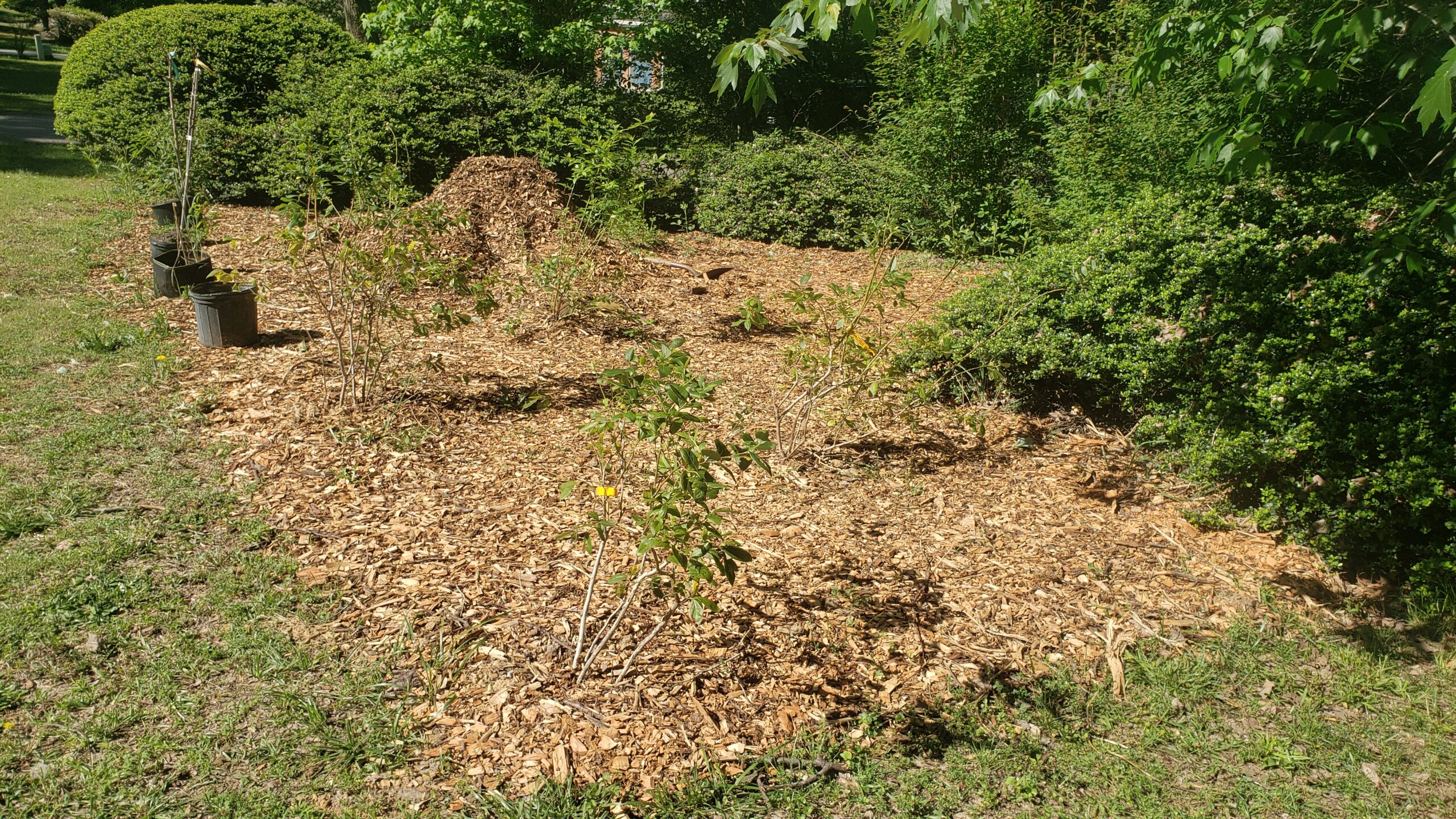
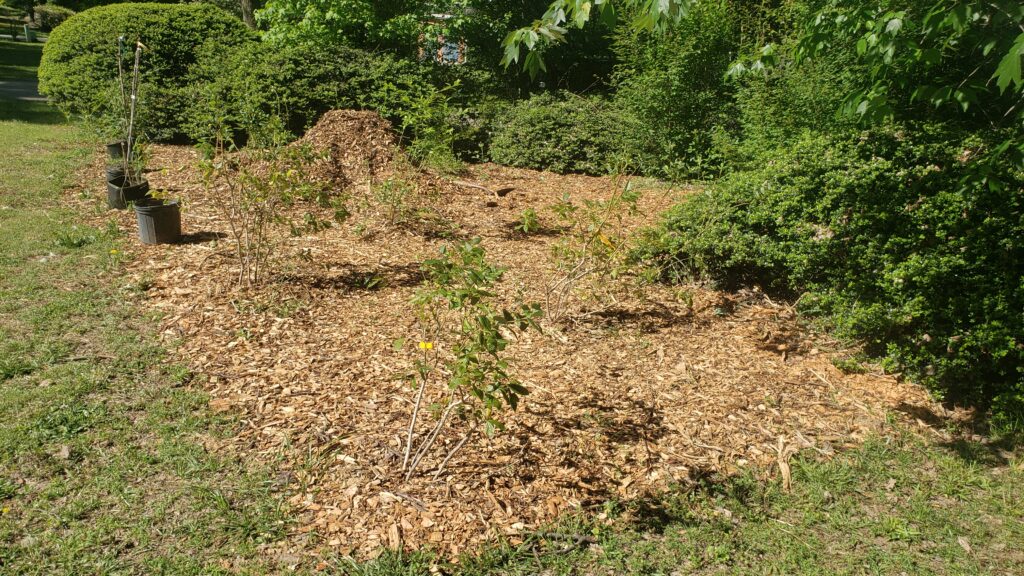
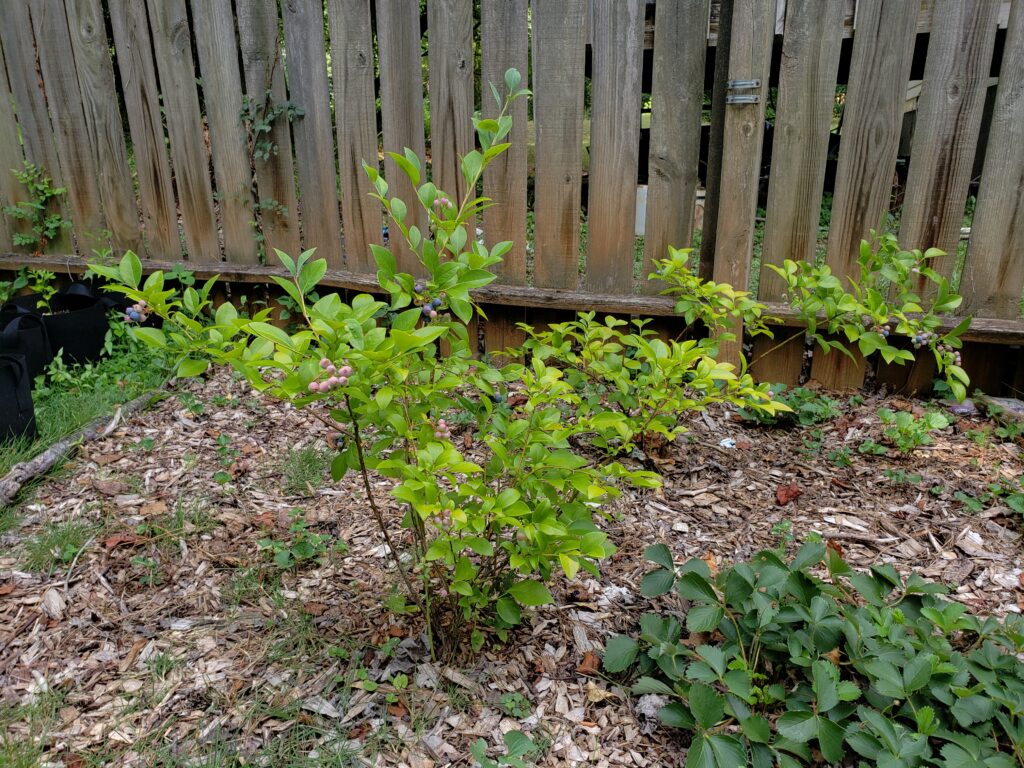
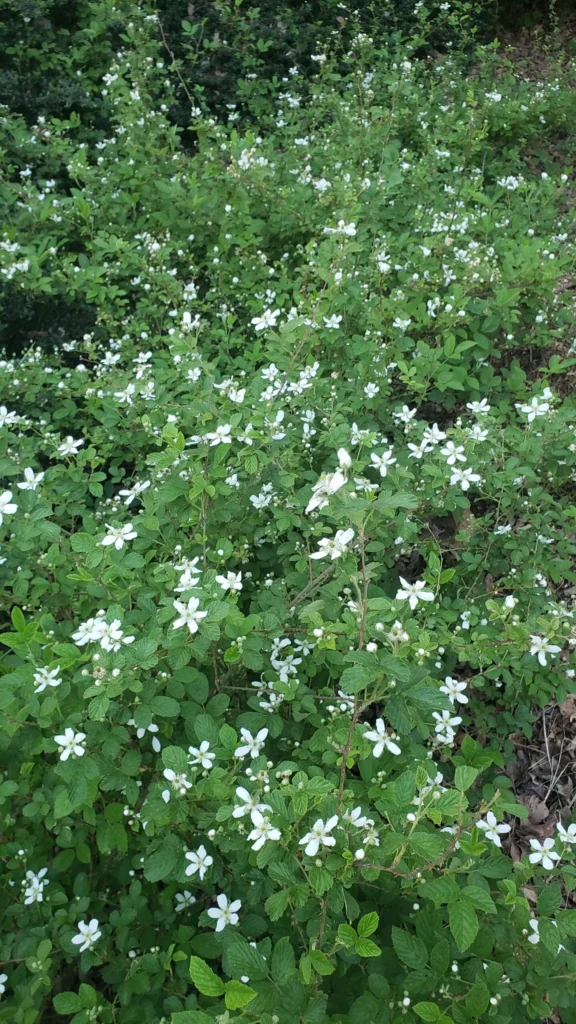
Mulching is an essential practice for any gardener looking to improve their soil and plant health. Over the past few seasons, we’ve put down a layer of wood mulch around our plots, as well as our blueberry and blackberry plants, and have seen remarkable success. One of the best parts? We got all our mulch delivered for free thanks to a neighbor having a tree cut down! The tree service was happy to dump the mulch on our property. Here’s why wood mulch has become a key component in our garden.
1. Moisture Retention
Wood mulch helps retain soil moisture by reducing evaporation. This means less frequent watering and more consistent soil moisture levels, which is crucial for the healthy growth of plants like blueberries and blackberries.
2. Temperature Regulation
4. Soil Health Improvement
As wood mulch breaks down, it adds organic matter to the soil, improving soil structure and fertility. This process enhances the soil’s ability to retain nutrients and water, creating a better environment for plant roots.
5. Erosion Control
Mulch helps to protect soil from erosion caused by wind and water. It keeps the soil in place, especially during heavy rains, and prevents valuable topsoil from being washed away.
6. Aesthetic Appeal
Beyond its functional benefits, mulch also adds a clean, finished look to your garden. It helps define garden beds and pathways, creating a neat and attractive landscape.
One of the most delightful aspects of our mulching experience was getting it for free. When a neighbor had a tree cut down, the tree service was more than happy to dump the chipped wood on our property. This not only saved us money but also recycled what would have otherwise been waste.
Conclusion
Wood mulch is a simple yet powerful tool for any gardener. Its numerous benefits, from moisture retention and temperature regulation to weed suppression and soil health improvement, make it an invaluable addition to our garden. Plus, finding a free source of mulch, like we did through a neighbor’s tree service, can make this gardening practice even more rewarding. If you haven’t tried mulching yet, we highly recommend giving it a go—you might be surprised at the difference it can make!
Happy gardening!