The S6160 Secretarial Disaster Designation has officially recognized what we’ve been seeing on the ground at GoodChickenGardens.com: a severe and sustained moisture deficit that threatens the long-term viability of Georgia’s small farms.
While the drought has created significant operational hurdles, we are utilizing every conservation tool in our kit to protect the soil health we’ve spent the last 6 years restoring through bioremediation.
Our Drought Mitigation Strategy:
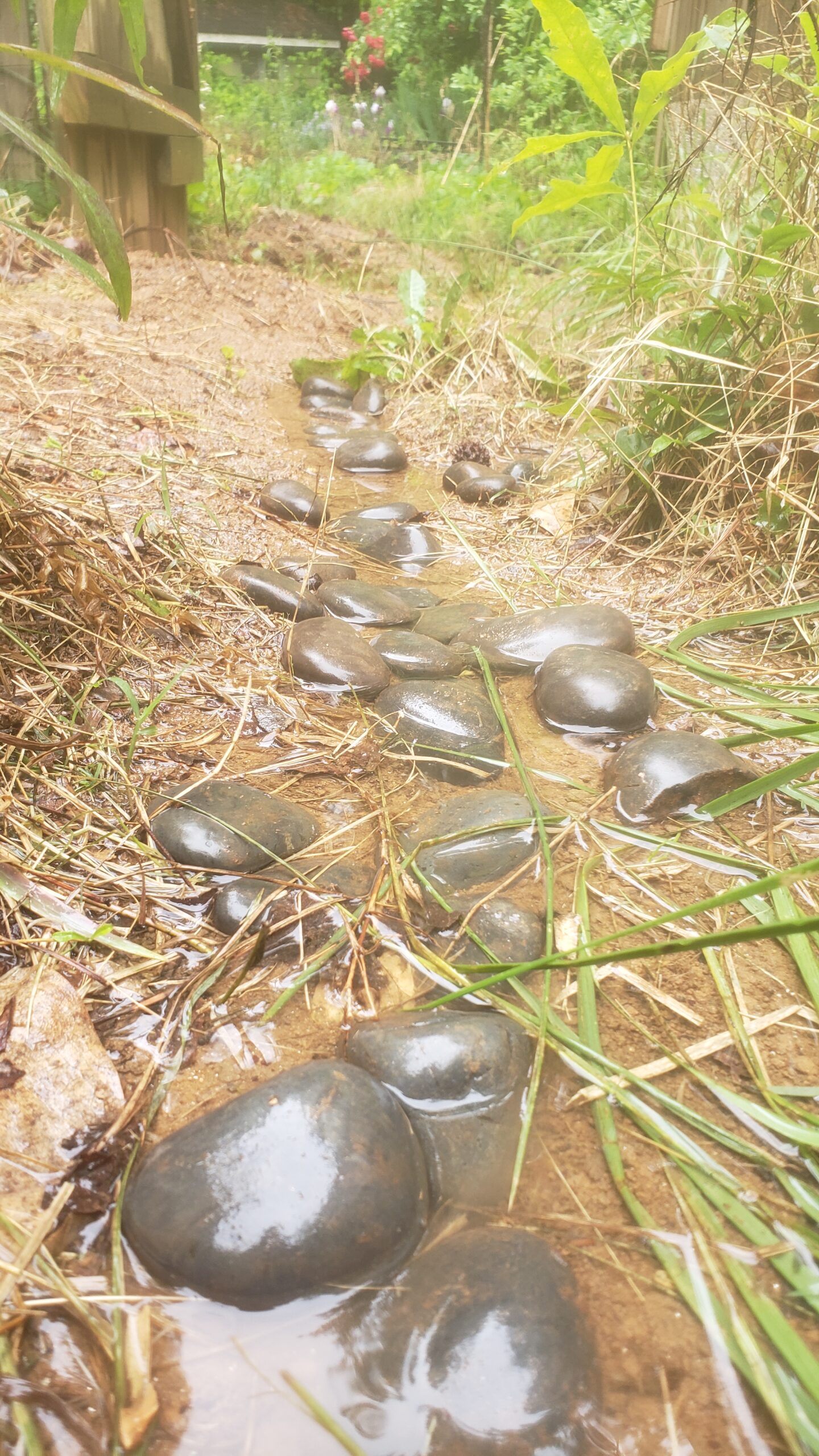
To combat the drying effects of the current disaster, we have implemented a series of Passive Hydrological Systems. These are not “fixes,” but survival strategies designed to capture every possible drop of erratic rainfall:
The Reality of the S6160 Crisis
Even with these systems in place, the lack of consistent ground-water recharge is a primary concern for our 2026-2027 production cycle. We are working closely with the NRCS and FSA to ensure our infrastructure can withstand these shifting climate patterns.
Technical Sources & Resources:
- The S6160 Status: Current updates on USDA disaster assistance for Georgia counties can be found via the FSA Disaster Assistance Discovery Tool.
- Bioremediation and Drought: To understand how soil organic matter impacts drought resistance, refer to the USDA NRCS Soil Health biological studies.