Tomatoes are a staple in many gardens, and for good reason. They’re versatile, delicious, and relatively easy to grow, especially in Georgia’s Zone 8a climate. From seedlings in the greenhouse to ripe, juicy tomatoes ready for the table, this guide will walk you through the entire process.
1. Starting Seeds
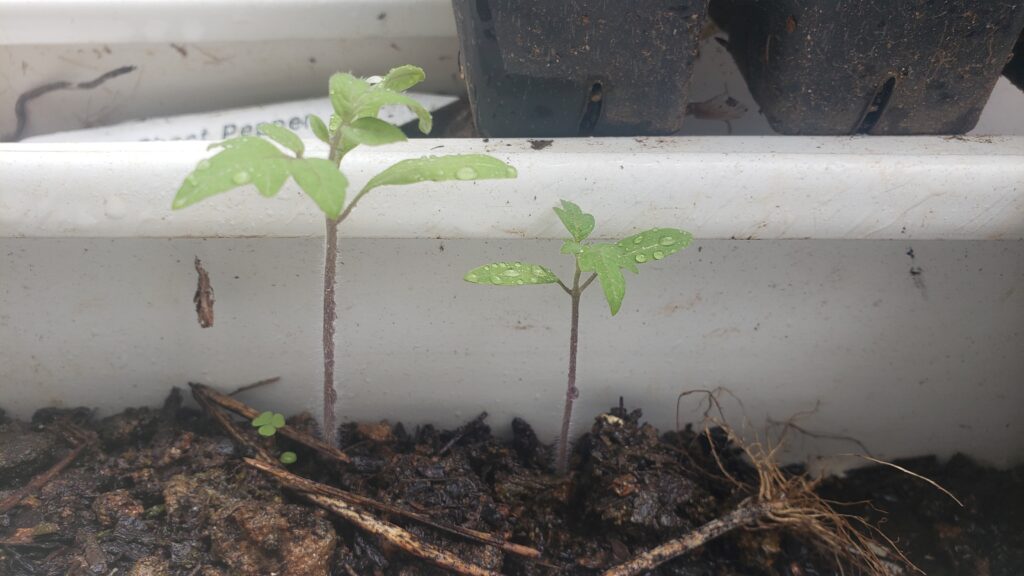
When to Start: Begin tomato seeds indoors 6-8 weeks before the last expected frost. In Zone 8a, this means starting seeds in late January to early February.
Soil and Containers: Use a seed-starting mix and plant seeds in trays or small pots. Keep the soil moist but not waterlogged.
Light and Temperature: Provide plenty of light, ideally 14-16 hours a day. A south-facing window or grow lights work well. Maintain a temperature of 70-75°F (21-24°C) for optimal germination.
2. Transplanting Seedlings
When to Transplant: Once seedlings have 2-3 sets of true leaves and the outdoor temperature remains consistently above 50°F (10°C), they’re ready to move outside. This is typically in mid to late April.
Hardening Off: Gradually acclimate seedlings to outdoor conditions by placing them outside for a few hours each day, increasing the time over a week.
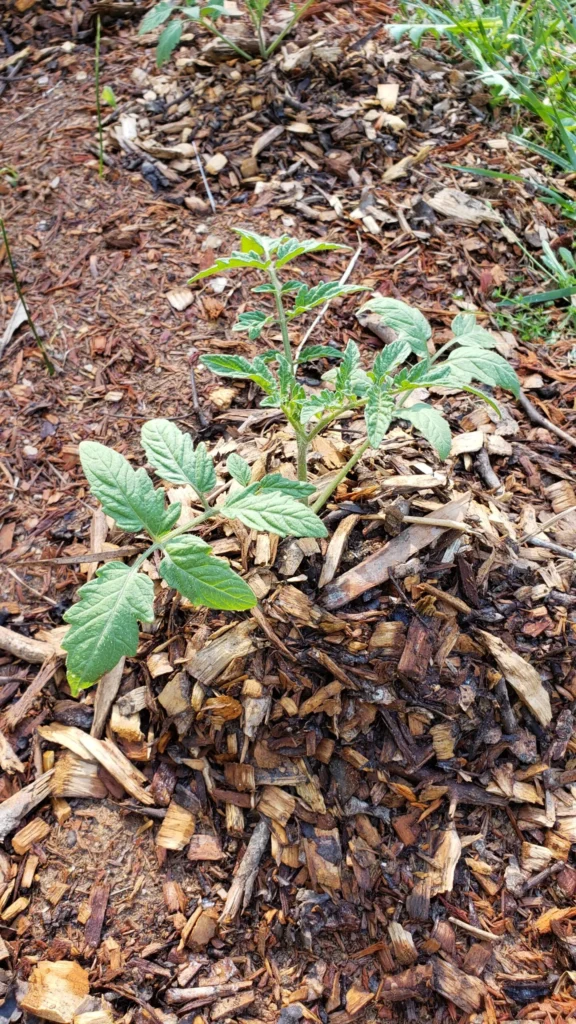
Planting Depth: Tomatoes can be planted deeply, burying part of the stem to encourage additional root growth. Dig a hole or trench and place the plant, ensuring only the top leaves are above ground.
3. Soil Preparation and Mounding
Soil: Tomatoes thrive in well-draining, fertile soil rich in organic matter. Amend your garden bed with compost or well-rotted manure.
Mounding: Create mounds or raised rows to improve drainage and root development. Space mounds 2-3 feet apart to allow room for growth and air circulation.
4. Watering and Mulching
Watering: Keep the soil consistently moist but not soggy. Water at the base of the plants to avoid wetting the leaves, which can lead to disease.
Mulching: Apply a layer of mulch around the base of the plants to retain moisture, suppress weeds, and regulate soil temperature.
5. Staking and Pruning
Staking: Provide support with stakes, cages, or trellises to keep plants upright and prevent fruit from touching the ground.
Pruning: Remove the suckers (small shoots that grow in the leaf axils) to encourage stronger main stems and better fruit production.
6. Fertilizing
Initial Fertilization: When transplanting, mix a balanced fertilizer into the soil.
Ongoing Fertilization: Feed tomatoes every 3-4 weeks with a balanced fertilizer or a fertilizer higher in phosphorus and potassium to support fruiting.
7. Pest and Disease Management
Common Pests: Watch for pests like aphids, hornworms, and whiteflies. Use organic insecticidal soap or neem oil to manage infestations.
Disease Prevention: Rotate crops yearly, water at the base, and provide good air circulation to prevent fungal diseases. Remove and destroy any diseased plant material.
8. Harvesting
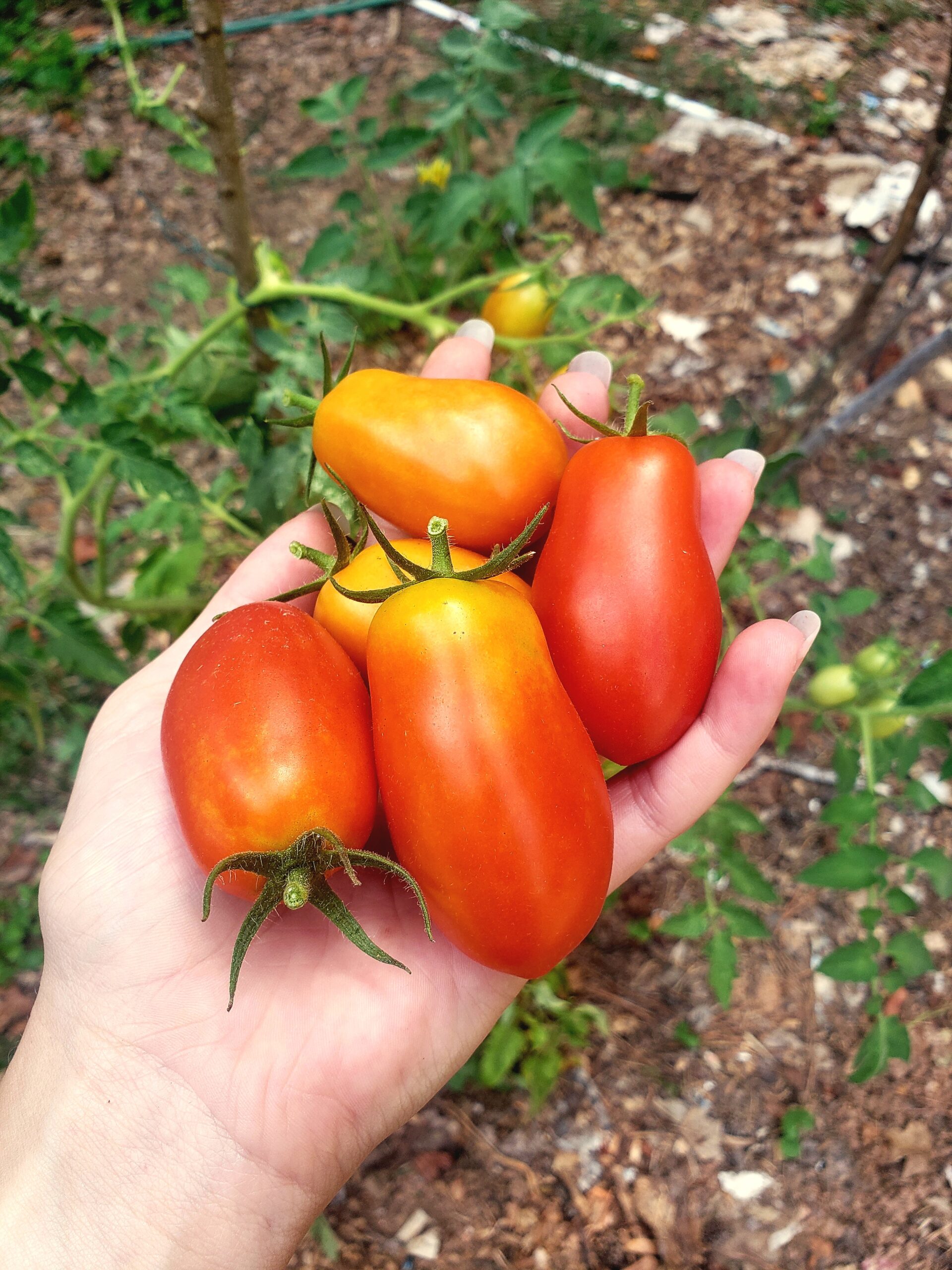
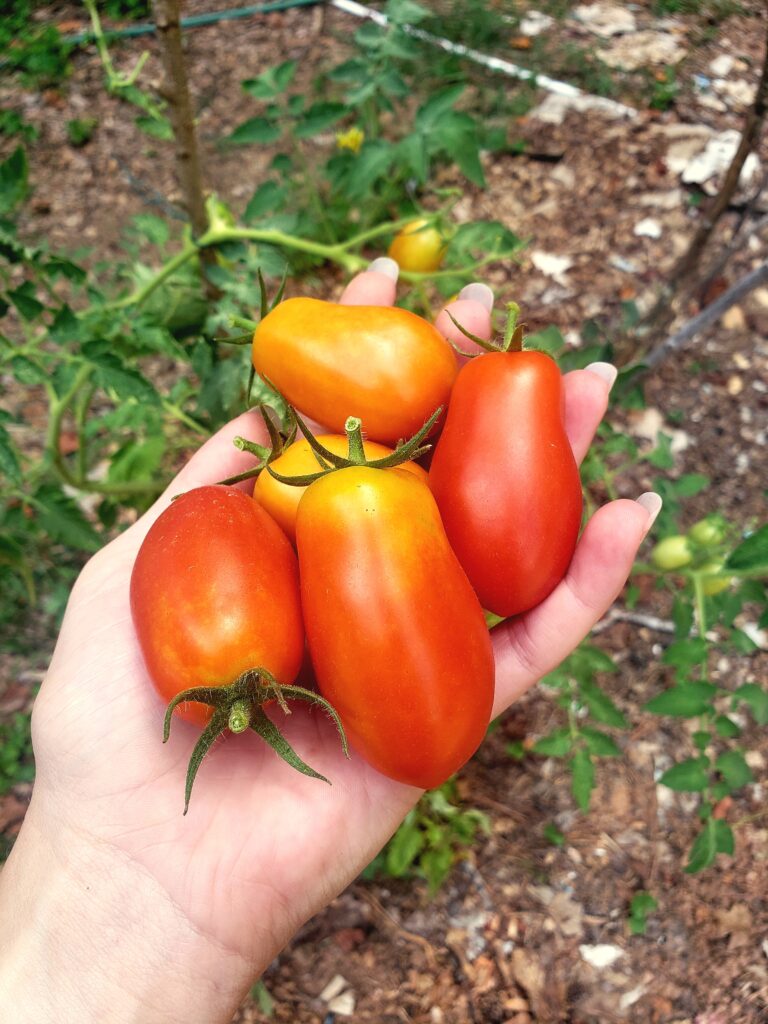
When to Harvest: Tomatoes are ready to harvest when they are fully colored and slightly soft to the touch. This can range from 60-85 days after planting, depending on the variety.
How to Harvest: Gently twist or cut the fruit from the vine, leaving a small stem attached to the tomato.
Conclusion
Growing tomatoes in Georgia’s Zone 8a is a rewarding endeavor that yields delicious, homegrown produce. With the right preparation and care, you can enjoy a bountiful harvest of juicy tomatoes from early summer through late fall. Follow these steps to ensure your tomato plants thrive and produce abundant, flavorful fruit.