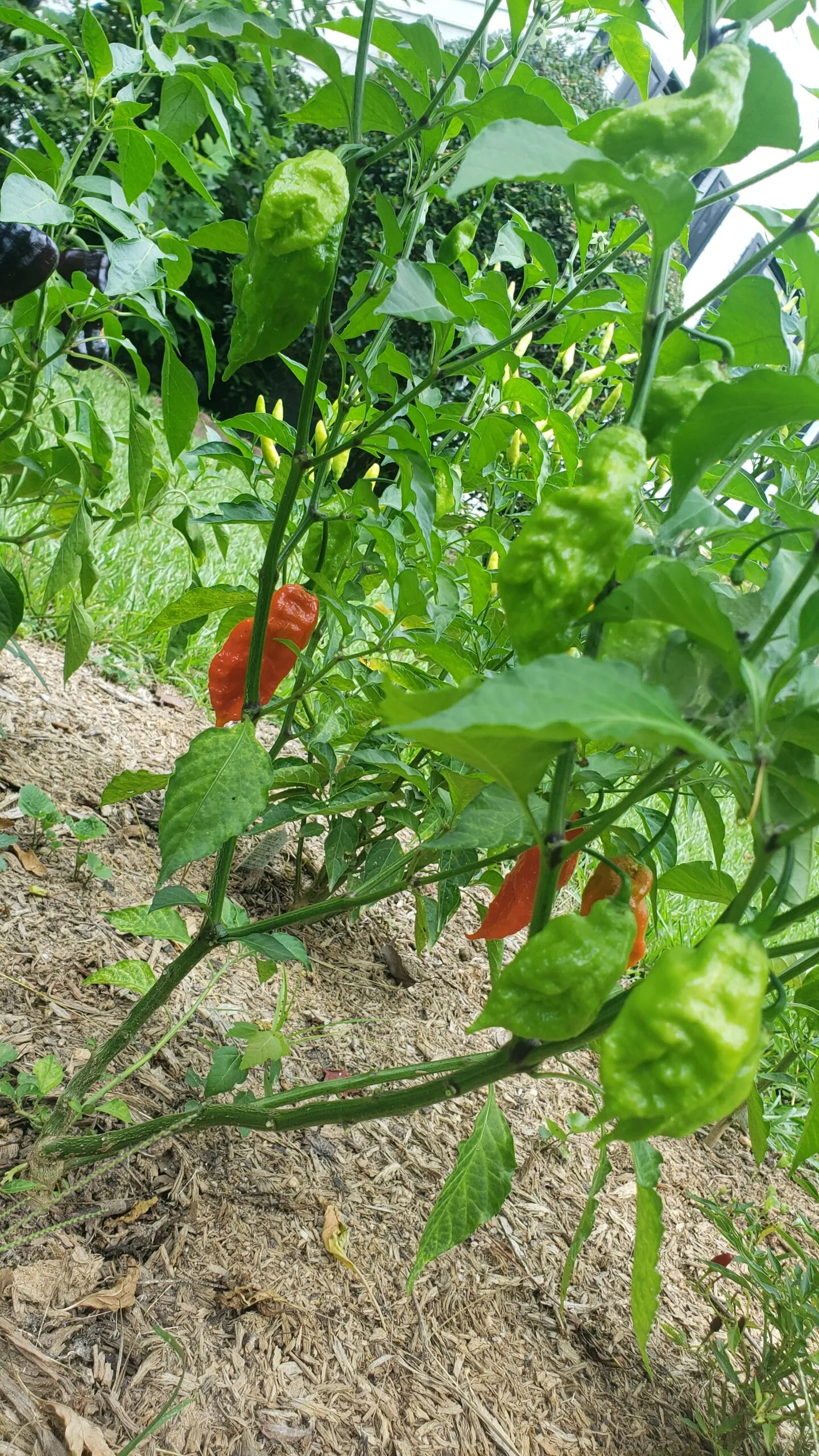
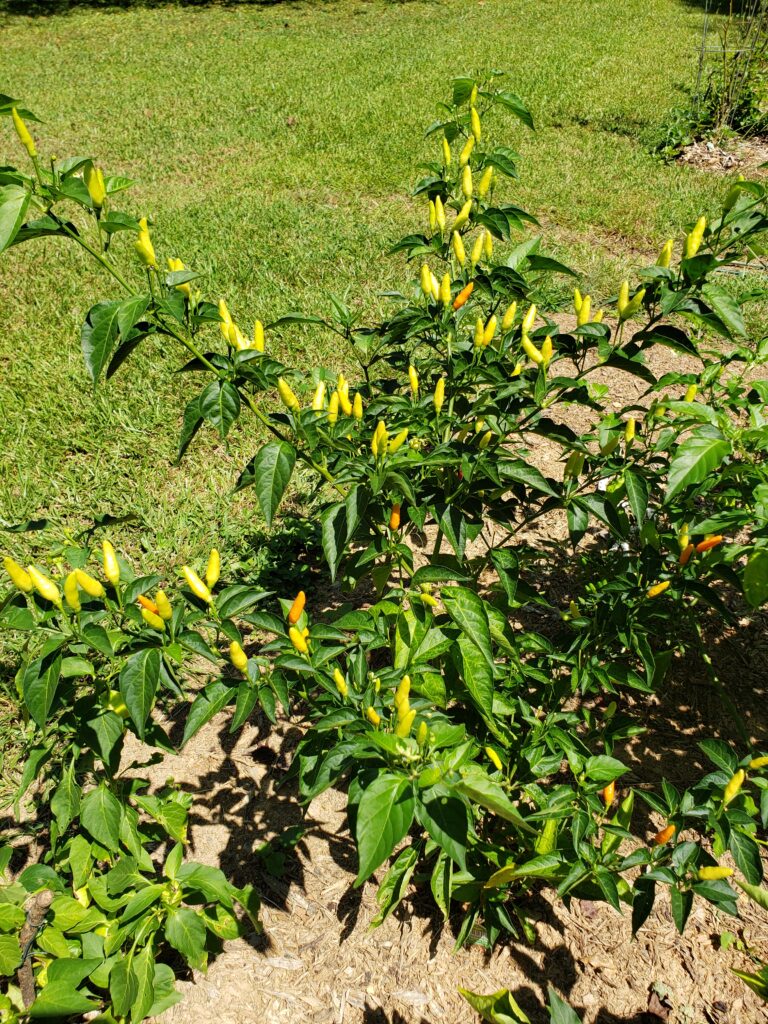
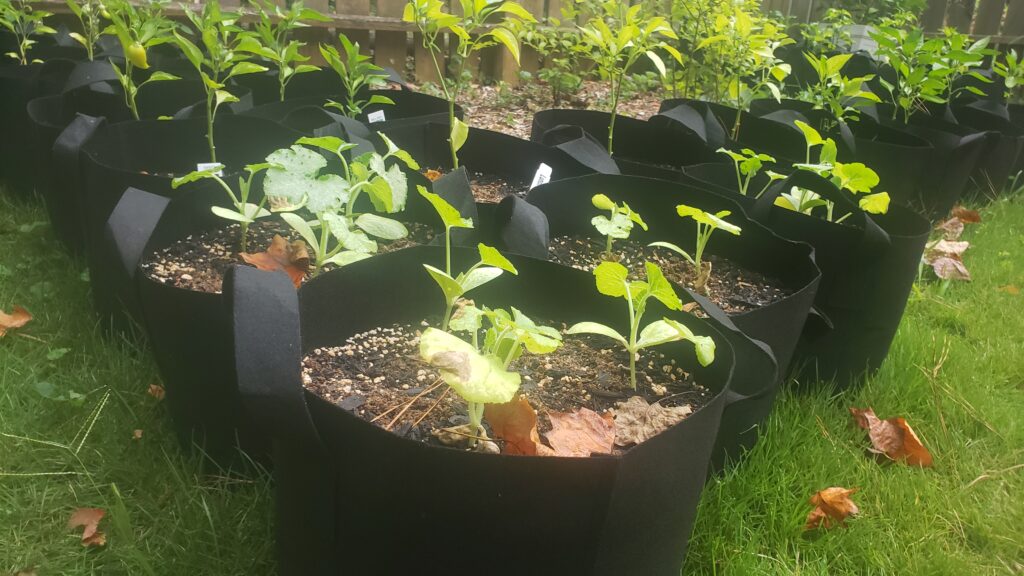
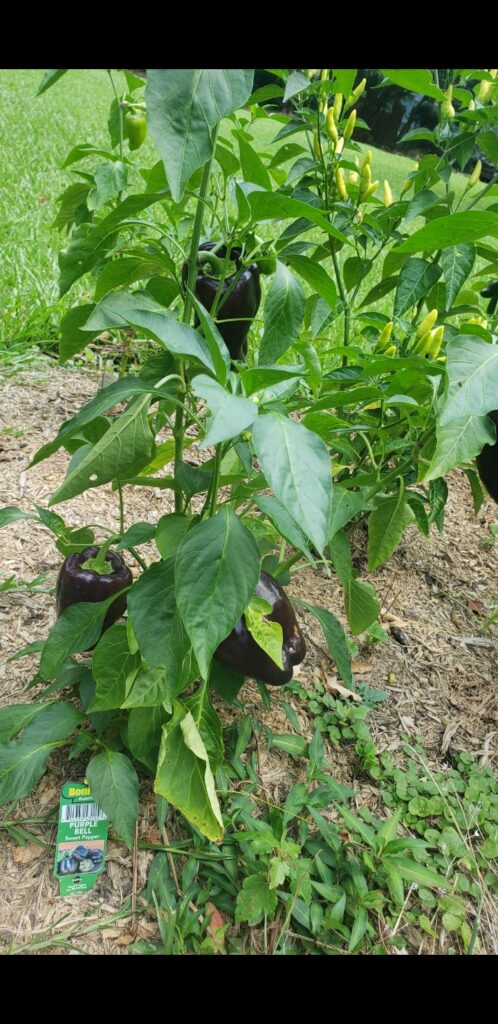
Peppers are a versatile and rewarding crop to grow, especially in Zone 8a where the climate provides a long growing season. Whether you’re new to gardening or an experienced green thumb, this guide will walk you through everything you need to know about growing a bountiful pepper harvest, including tips on overwintering, watering, planting, fertilizing, and harvesting.
1. Understanding Your Growing Zone
Zone 8a typically experiences mild winters with average minimum temperatures ranging from 10-15°F (-12 to -9°C). This climate is perfect for growing a wide variety of peppers, as the long warm season allows for extended growth and fruiting periods.
2. Planting Peppers
When to Plant: Start seeds indoors 8-10 weeks before the last expected frost date. In Zone 8a, this usually means starting seeds in late January to early February. Transplant seedlings outdoors after the danger of frost has passed, typically in late March to early April.
Soil Preparation: Peppers thrive in well-draining soil rich in organic matter. Amend your garden bed with compost or well-rotted manure to improve soil fertility and structure.
Spacing: Plant peppers 18-24 inches apart to allow for good air circulation and ample room for growth.
How to Overwinter: Check out our blog post about how to over winter your pepper plants!
4. Watering
Consistent Moisture: Peppers need consistent moisture to thrive. Water deeply once or twice a week, depending on rainfall and temperature. Avoid overhead watering to reduce the risk of disease; instead, use drip irrigation or water at the base of the plants.
Signs of Over/Under Watering: Yellowing leaves can indicate overwatering, while wilting leaves might suggest underwatering. Adjust your watering schedule accordingly to maintain healthy plants.
5. Fertilizing
Initial Fertilization: When transplanting, mix a balanced fertilizer into the soil to give your peppers a strong start. A 10-10-10 fertilizer (nitrogen-phosphorus-potassium) is a good choice.
Ongoing Fertilization: Feed your peppers every 3-4 weeks with a balanced fertilizer. Once peppers start to set fruit, switch to a fertilizer higher in potassium to support fruit development.
6. Harvesting
When to Harvest: Peppers can be harvested at various stages of ripeness, depending on your preference. For example, bell peppers can be picked when they are green or left to ripen to red, yellow, or orange. Hot peppers generally increase in heat as they mature.
How to Harvest: Use scissors or pruning shears to cut peppers from the plant, leaving a short stem attached. Avoid pulling peppers off by hand, as this can damage the plant.
Growing peppers in Zone 8a is a rewarding endeavor that can yield an abundant and flavorful harvest. By understanding the specifics of planting, watering, fertilizing, and overwintering, you can enjoy a continuous supply of peppers from early summer through fall. With proper care and attention, your pepper plants will thrive and produce an impressive bounty year after year.