Kale is a versatile and nutritious leafy green that thrives in Georgia’s Zone 8a climate. Whether you’re a seasoned gardener or just starting out, growing kale can be incredibly rewarding. In this post, we’ll cover everything you need to know about growing kale, from planting and care to harvesting and overwintering for an even more productive second year.
1. Selecting the Right Varieties
There are several types of kale to choose from, each with its unique flavor and texture:
Curly Kale: Popular and easy to grow, with tightly ruffled leaves. Varieties include ‘Winterbor’ and ‘Dwarf Blue Curled.’
Lacinato Kale (Dinosaur Kale): Known for its dark, bumpy leaves and rich flavor. Varieties include ‘Nero di Toscana’ and ‘Black Magic.’
Red Russian Kale: Has flat, tender leaves with a slightly peppery flavor. Varieties include ‘Red Russian’ and ‘Ragged Jack.’
2. Planting Kale
When to Plant: In Zone 8a, you can plant kale in early spring or late summer. For a fall harvest, plant seeds 6-8 weeks before the first expected frost. For a spring harvest, start seeds indoors in late winter and transplant them outdoors 3-4 weeks before the last frost date.
Soil Preparation: Kale prefers well-draining soil rich in organic matter. Amend your soil with compost or well-rotted manure to improve fertility.
Spacing: Sow seeds 1/4 inch deep and thin seedlings to 12-18 inches apart to allow for adequate air circulation and growth.
3. Watering and Mulching
Watering: Keep the soil consistently moist, but not waterlogged. Kale requires about 1-1.5 inches of water per week, either from rainfall or irrigation. Water at the base of the plants to avoid wetting the leaves, which can lead to disease.
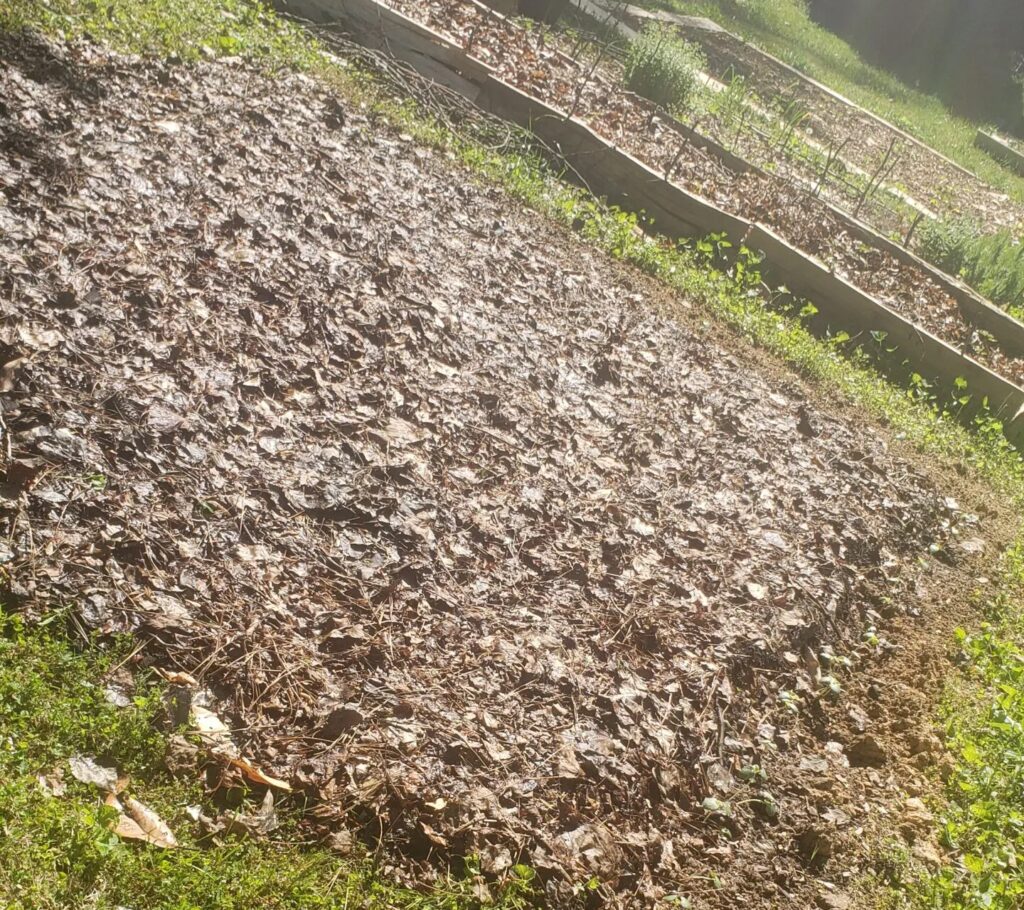
Mulching: Apply a layer of mulch around your kale plants to conserve moisture, suppress weeds, and regulate soil temperature. Organic mulches like straw, leaves, or wood chips work well.
4. Fertilizing
Initial Fertilization: Kale is a heavy feeder and benefits from a balanced fertilizer at planting time. Use a 10-10-10 (N-P-K) fertilizer or a composted organic fertilizer.
Ongoing Fertilization: Feed your kale plants every 4-6 weeks with a nitrogen-rich fertilizer to encourage leafy growth.
5. Pest and Disease Management
Common Pests: Keep an eye out for pests like aphids, cabbage worms, and flea beetles. Use row covers to protect young plants and introduce beneficial insects like ladybugs and lacewings to control pest populations.
Disease Prevention: Ensure good air circulation by spacing plants properly and watering at the base. Remove any diseased leaves promptly to prevent the spread of pathogens.
6. Overwintering Kale
One of the best aspects of growing kale in Zone 8a is its ability to overwinter successfully. Kale is hardy and can survive light frosts, which actually improve its flavor by making the leaves sweeter.
Preparation: Before the first hard frost, cover your kale plants with a row cover or frost cloth to provide extra protection.
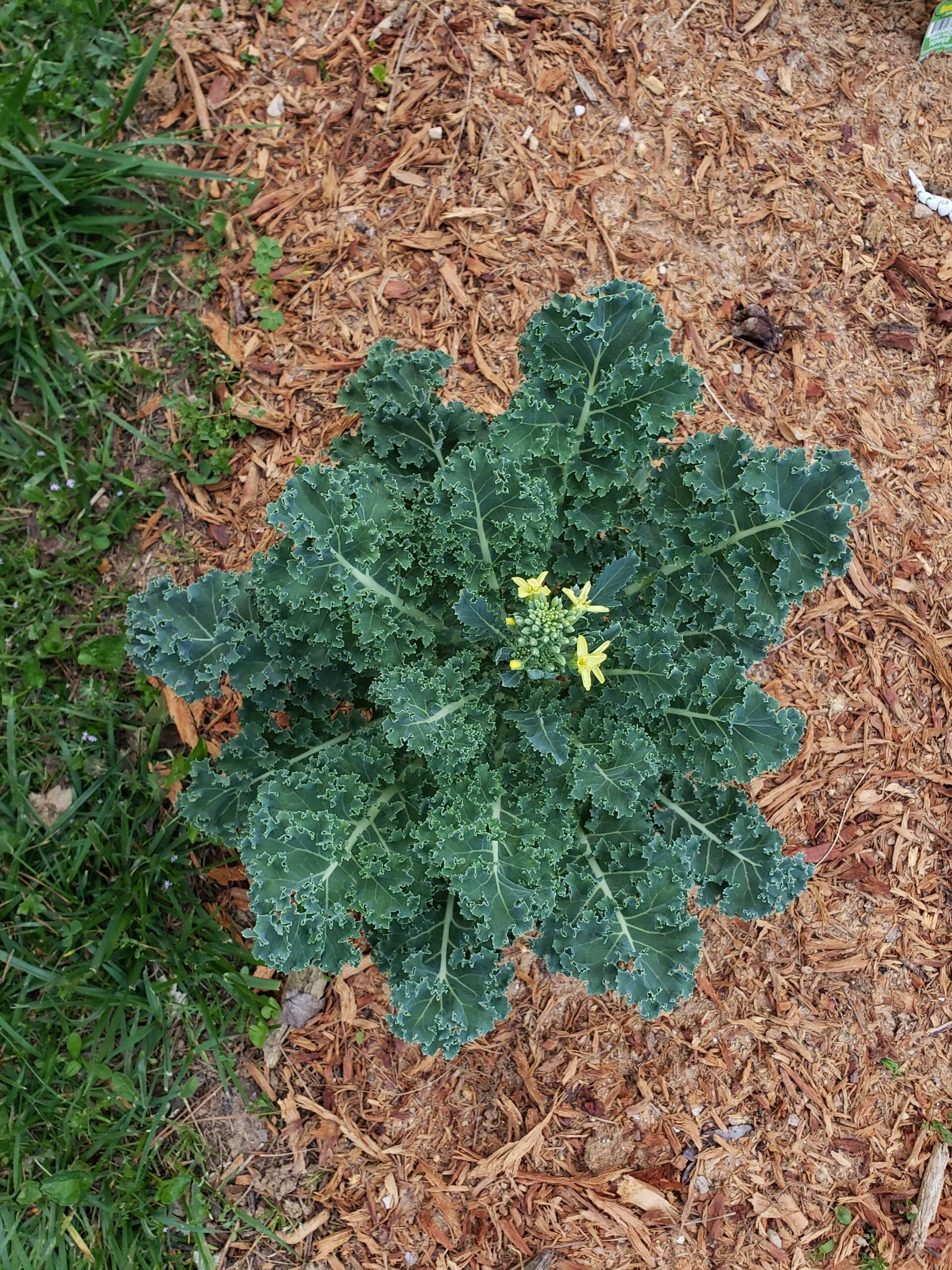
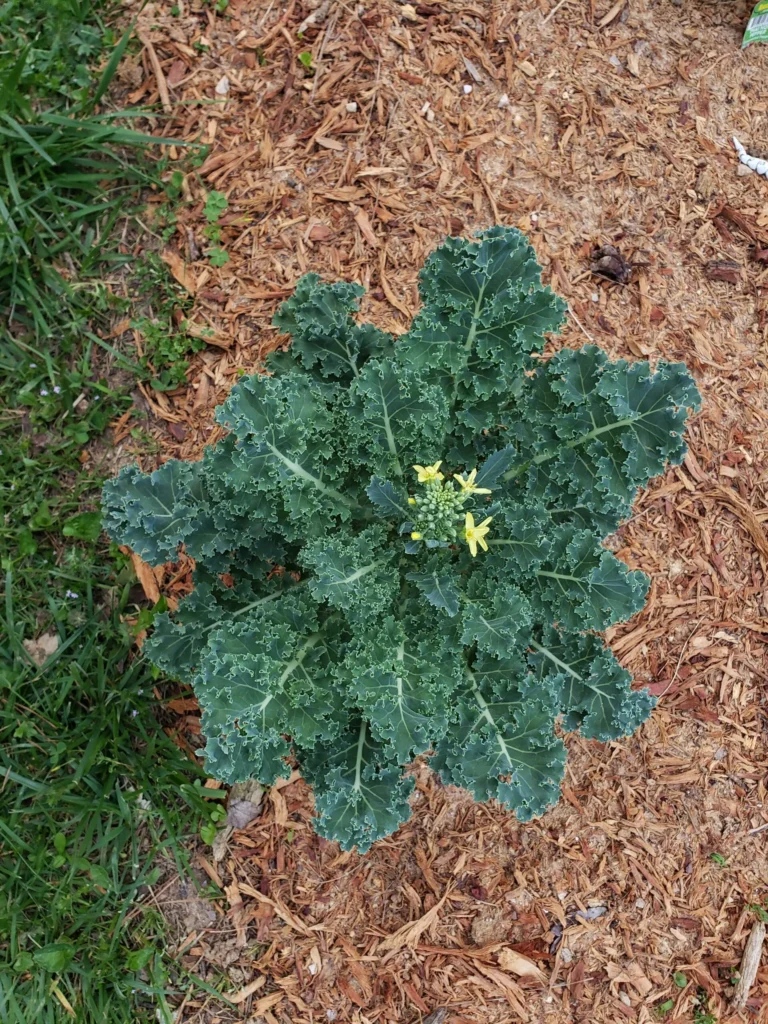
Harvesting: You can continue harvesting leaves throughout the winter. In the second year, kale plants often produce a prolific harvest in early spring before they bolt (flower and go to seed).
7. Harvesting Kale
When to Harvest: Begin harvesting kale leaves when they are about the size of your hand. Start with the oldest, outermost leaves and work your way inwards.
How to Harvest: Cut or snap off leaves at the base, being careful not to damage the central growing point. Regular harvesting encourages new growth and extends the harvest period.
8. Storing Kale
Short-Term Storage: Kale can be stored in the refrigerator for up to a week. Keep the leaves in a plastic bag or container with a damp paper towel to maintain freshness.
Long-Term Storage: For longer storage, blanch kale leaves and freeze them. This preserves their nutrients and flavor for use in soups, stews, and smoothies.
Conclusion
Growing kale in Georgia Zone 8a is a rewarding endeavor that can yield bountiful harvests year-round. With proper care and attention to planting, watering, and pest management, you can enjoy fresh, homegrown kale from your garden. Plus, the ability to overwinter kale for an extremely productive second-year harvest is a fantastic bonus. Give kale a try in your garden, and experience the joy of growing this nutritious green.