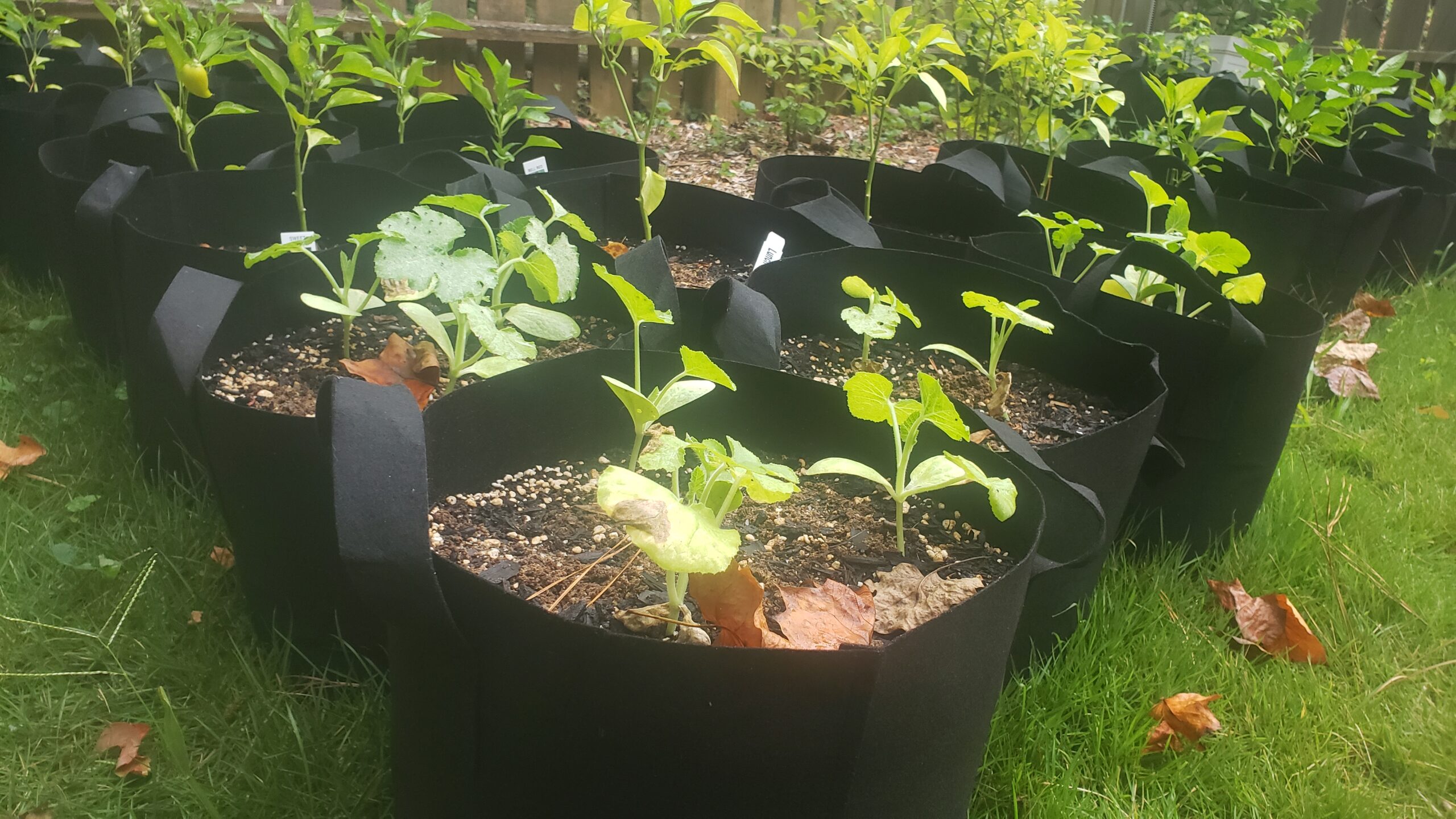
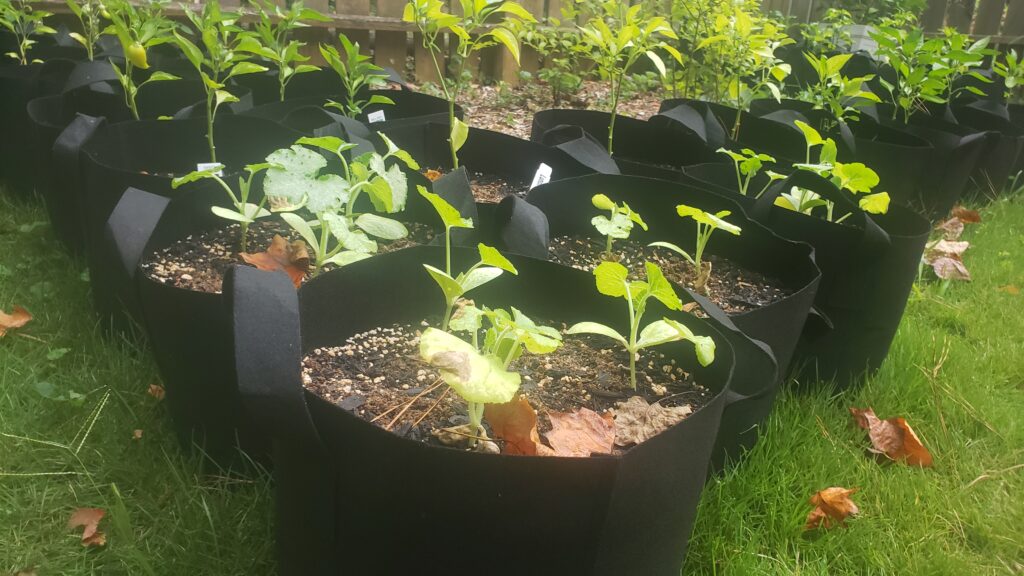
Grow bags offer a versatile and convenient way to cultivate vegetables and herbs, especially in limited spaces like patios, balconies, or small gardens. Whether you’re growing peppers for a touch of spice, crisp lettuce for salads, or aromatic herbs for culinary delights, here are some essential tips to ensure a successful harvest:
1. Choosing the Right Location:
Place your grow bags in a location that receives adequate sunlight. Peppers typically need full sun (at least 6-8 hours daily), while lettuce and herbs can tolerate partial shade but thrive in sunnier spots.
Optimize sunlight exposure by moving your containers throughout the day if necessary, especially during hotter months.
2. Creating a Nutrient-Rich Soil Medium:
Use a well-draining soil mix specifically formulated for container gardening or create your own blend. A good mix includes equal parts of compost, peat moss, and perlite or vermiculite for excellent aeration and moisture retention.
Ensure the soil medium is loose and fluffy to allow roots to spread easily and access nutrients efficiently.
Grow bags require more frequent watering than traditional garden beds, as they tend to dry out faster. Check the moisture levels daily, especially during warm weather.
Water thoroughly until you see water draining from the bottom of the grow bag, ensuring the entire root zone is hydrated.
Watch for signs of overwatering (wilting despite soil moisture, yellowing leaves) or underwatering (dry, crispy leaves). Adjust your watering schedule accordingly.
4. Fertilizing Routine:
Because grow bags have limited soil volume, nutrients can deplete more quickly. Supplement regular watering with a balanced liquid fertilizer or organic compost tea every 2-4 weeks during the growing season.
Pay attention to specific plant needs: peppers benefit from a higher phosphorus and potassium blend for fruiting, while lettuce and herbs thrive with a nitrogen-rich fertilizer for leafy growth.
5. Temperature and Ventilation:
Monitor temperature fluctuations, as grow bags can heat up faster than traditional beds. Consider using mulch to regulate soil temperature and retain moisture.
Ensure adequate air circulation around the plants to prevent fungal diseases and encourage healthy growth. Prune overcrowded foliage if necessary.
6. Harvesting and Maintenance:
Harvest peppers when they reach their mature color and size, typically after several weeks of growth. Pick lettuce leaves when they are young and tender for the best flavor.
Trim herbs regularly to encourage bushier growth and prevent flowering, which can affect flavor.
7. Pest and Disease Management:
Inspect plants regularly for signs of pests like aphids or diseases such as powdery mildew. Use organic insecticidal soap or neem oil for pests and practice crop rotation to reduce disease risks.
Conclusion:
Grow bags provide an excellent solution for growing peppers, lettuce, and herbs in various environments, offering flexibility and ease of maintenance. By following these tips and tricks, you can maximize your harvest and enjoy fresh, home-grown produce throughout the season.