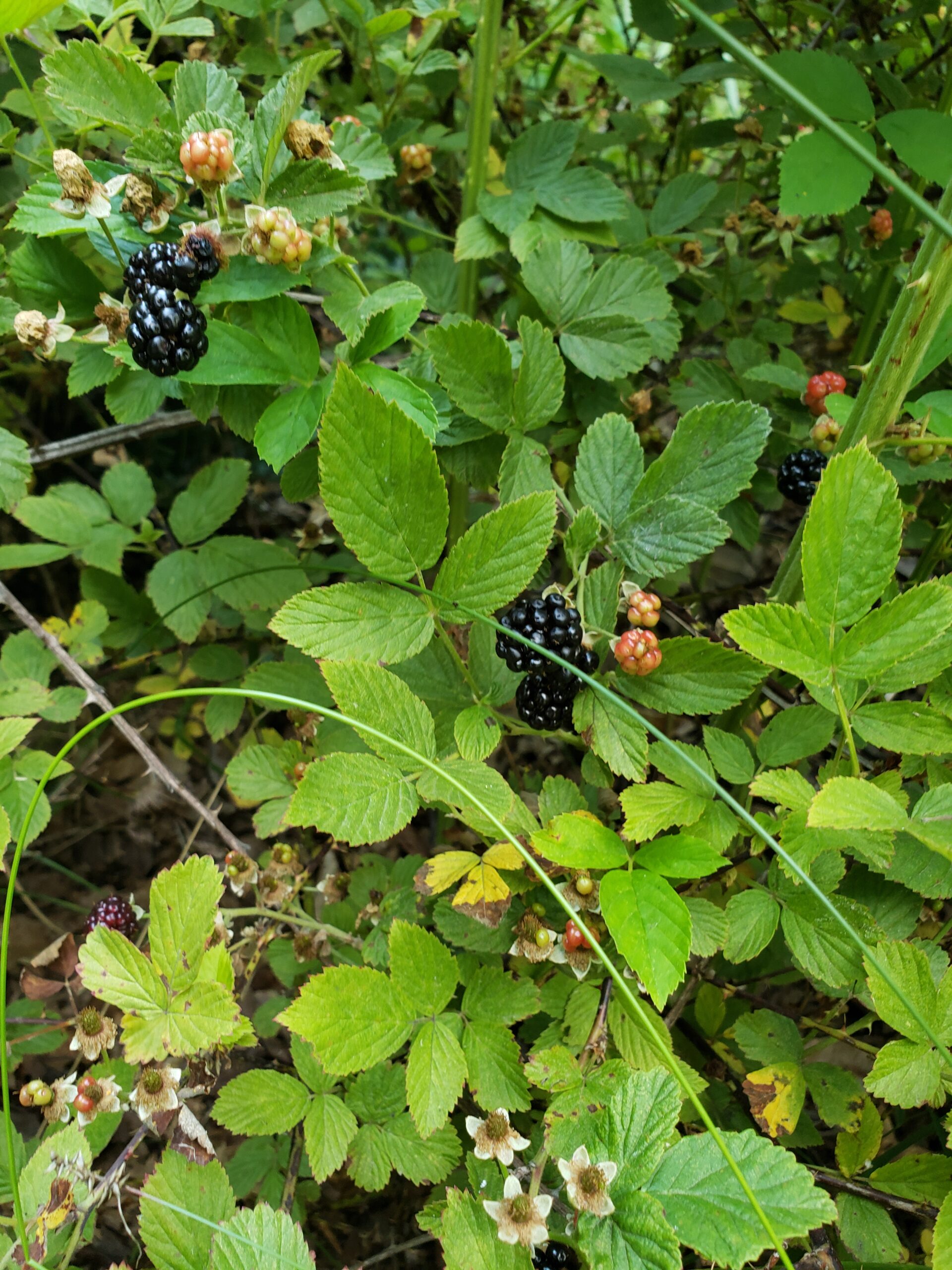
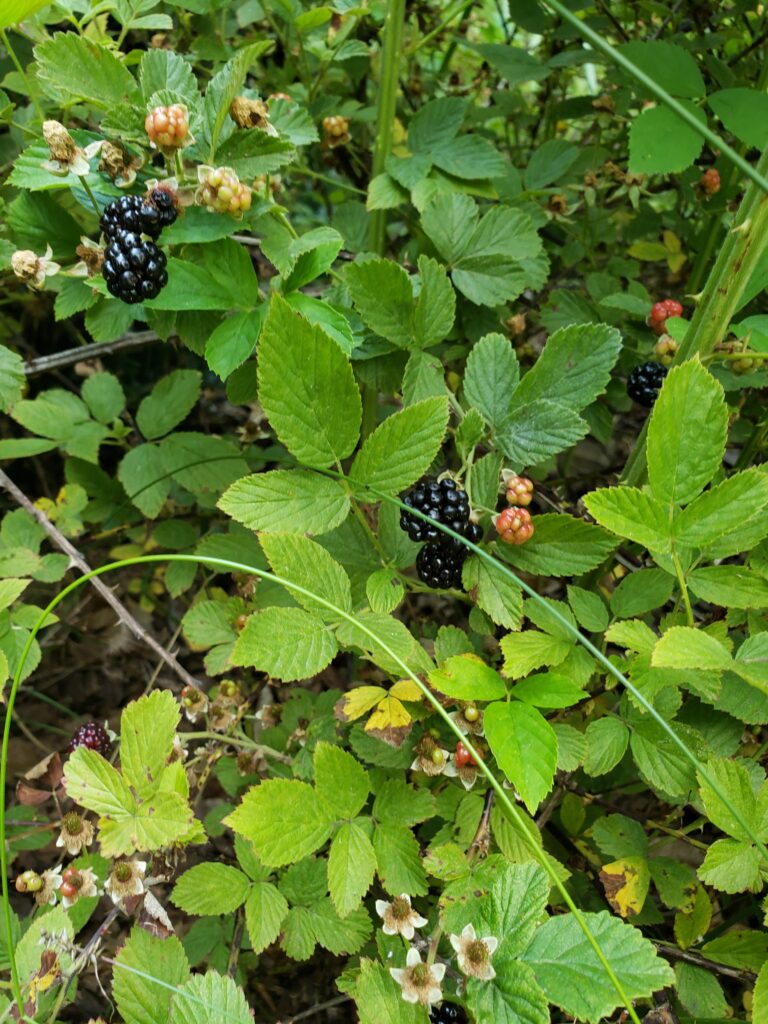
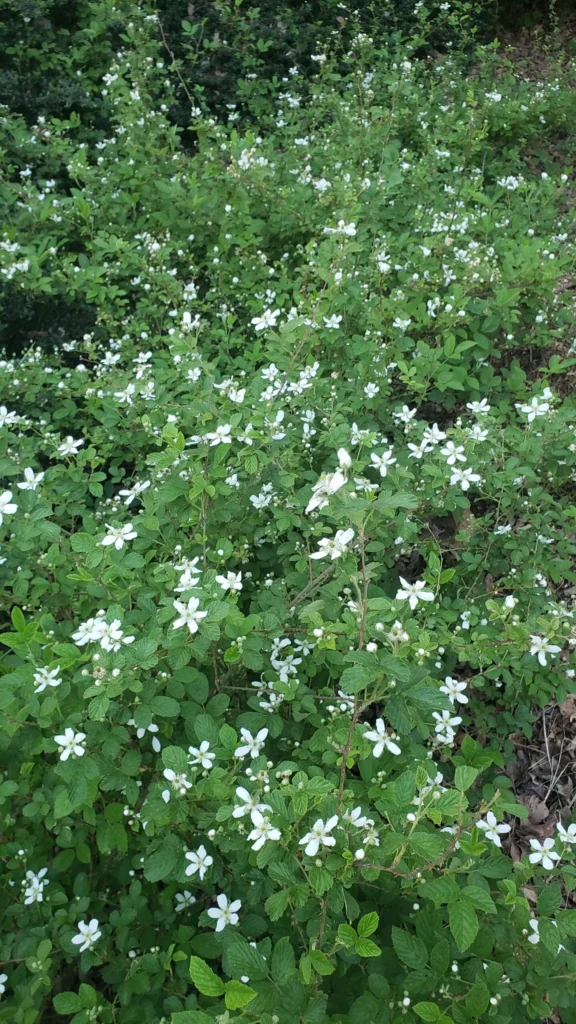
When we think of blackberries, the first thing that comes to mind is their delicious, juicy berries. However, did you know that blackberry leaves are also edible and have been used for centuries in herbal medicine? In this post, we’ll explore whether blackberry leaves are edible, their potential health benefits, and some important considerations to keep in mind.
Are Blackberry Leaves Edible?
Yes, blackberry leaves are edible and have been traditionally used in various cultures for their medicinal properties. They can be consumed fresh, dried, or made into teas and infusions. Blackberry leaves are rich in vitamins, minerals, and antioxidants, making them a valuable addition to your diet.
Health Benefits of Blackberry Leaves
Antioxidant Properties: Blackberry leaves are packed with antioxidants, which help neutralize free radicals in the body. This can reduce oxidative stress and lower the risk of chronic diseases.
Anti-inflammatory Effects: The leaves contain compounds that have anti-inflammatory properties, which can help alleviate conditions like arthritis and other inflammatory disorders.
Digestive Health: Blackberry leaves have been used to soothe digestive issues such as diarrhea, indigestion, and inflammation of the gastrointestinal tract.
Immune Support: The high vitamin C content in blackberry leaves can boost the immune system and help fight off infections.
Oral Health: Blackberry leaf tea is known for its astringent properties, which can help with gum health and reduce oral inflammation.
How to Use Blackberry Leaves
Tea: One of the most common ways to consume blackberry leaves is by making tea. Simply steep dried leaves in hot water for about 10 minutes, strain, and enjoy. Fresh leaves can also be used, but they may have a milder flavor.
Infusions: Infuse blackberry leaves in oil or vinegar to extract their beneficial compounds. These infusions can be used in cooking or as a base for herbal remedies.
Salads: Fresh, young blackberry leaves can be added to salads for a nutritious boost. Ensure the leaves are clean and free from pesticides or herbicides.
Important Considerations!
While blackberry leaves are generally safe to consume, there are some important considerations to keep in mind:
Pesticide and Herbicide Exposure: Blackberry plants growing by the roadside or in areas treated with pesticides and herbicides may absorb harmful chemicals. Consuming leaves from these plants can pose health risks. Always harvest blackberry leaves from clean, uncontaminated areas.
Allergic Reactions: Some individuals may be allergic to blackberry leaves. If you’re trying them for the first time, start with a small amount to ensure you don’t have an adverse reaction.
Proper Identification: Ensure that you’re correctly identifying blackberry leaves and not confusing them with other similar-looking plants that may be toxic.
How to Harvest and Prepare Blackberry Leaves
Harvesting: Pick young, tender leaves from a blackberry plant that is free from pesticides and herbicides. Early morning is the best time to harvest, as the leaves are freshest.
Cleaning: Rinse the leaves thoroughly under cold water to remove any dirt or insects.
Drying: For long-term storage, dry the leaves by spreading them out in a single layer on a clean surface. Once completely dry, store them in an airtight container.
Conclusion
Blackberry leaves are indeed edible and offer a range of health benefits, from antioxidant properties to digestive support. However, it’s crucial to harvest them from clean, uncontaminated areas to avoid the risks associated with pesticide and herbicide exposure. Whether you enjoy them in a tea, infusion, or salad, blackberry leaves can be a valuable addition to your diet and herbal medicine cabinet.
Always consult with a healthcare provider before adding new herbs to your routine, especially if you have underlying health conditions or are taking medications.