
Understanding Lettuce Basics
Botanical Name: Lactuca sativa
Family: Asteraceae (daisy family)
Type: Annual
Climate: Cool-season, heat-sensitive
Zone: 2-11
Choosing the Right Lettuce Variety
Lettuce comes in many varieties, each with its own unique flavor and texture. Here are a few popular types to consider:
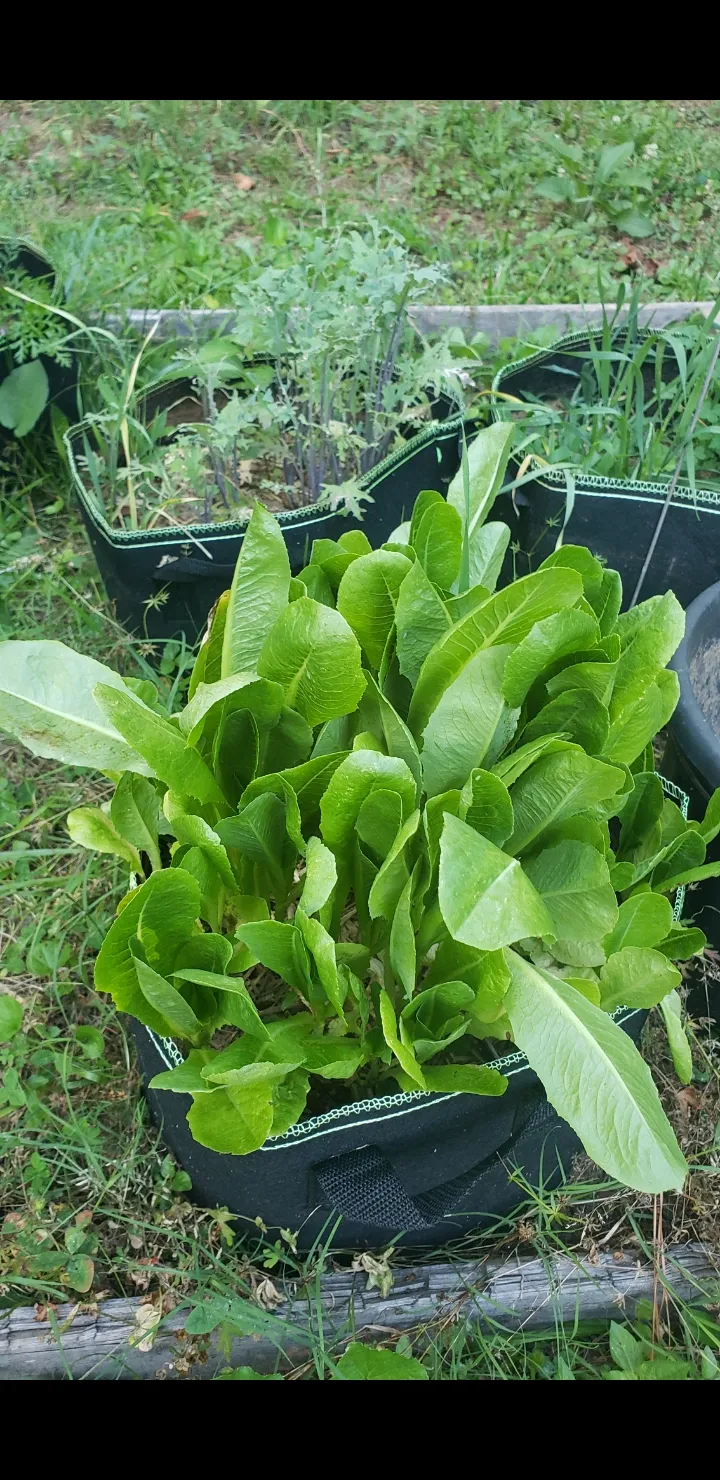
- Romaine: Known for its crisp texture and sweet flavor, romaine lettuce is perfect for salads.
- Butterhead: Varieties like Buttercrunch have soft, buttery leaves and a mild flavor.
- Crisphead: This type, including iceberg lettuce, forms tight, crispy heads but can be more challenging to grow. We do not recommend trying these types unless you are a seasoned gardener!
Choose a variety that suits your taste and growing conditions.
Planting Lettuce
- Choose Your Location: Lettuce prefers a sunny spot with well-draining soil. If you’re a truly lazy gardener, consider using raised beds or containers to reduce the need for weeding and soil preparation. Lettuce can not have any weeds around it!
- Prepare the Soil: While lettuce isn’t particularly fussy when it comes to nutrients, it does appreciate well-amended soil. Mix in some compost or aged manure to provide nutrients and improve soil structure.
- Sow the Seeds: Directly sow lettuce seeds in the garden bed or containers. Scatter the seeds lightly over the soil surface and gently press them down. Lettuce seeds need light to germinate, so don’t cover them with too much soil.
- Spacing: Space your seeds or seedlings about 6-12 inches apart, depending on the variety. This gives them room to grow and ensures good air circulation.
Watering: The Key to Success
Lazy Gardener Tips
- Pest Control: Keep an eye out for common pests like aphids and slugs. Use natural deterrents like diatomaceous earth or neem oil if needed.
Enjoy Your Harvest
Happy gardening, and enjoy your delicious lettuce!