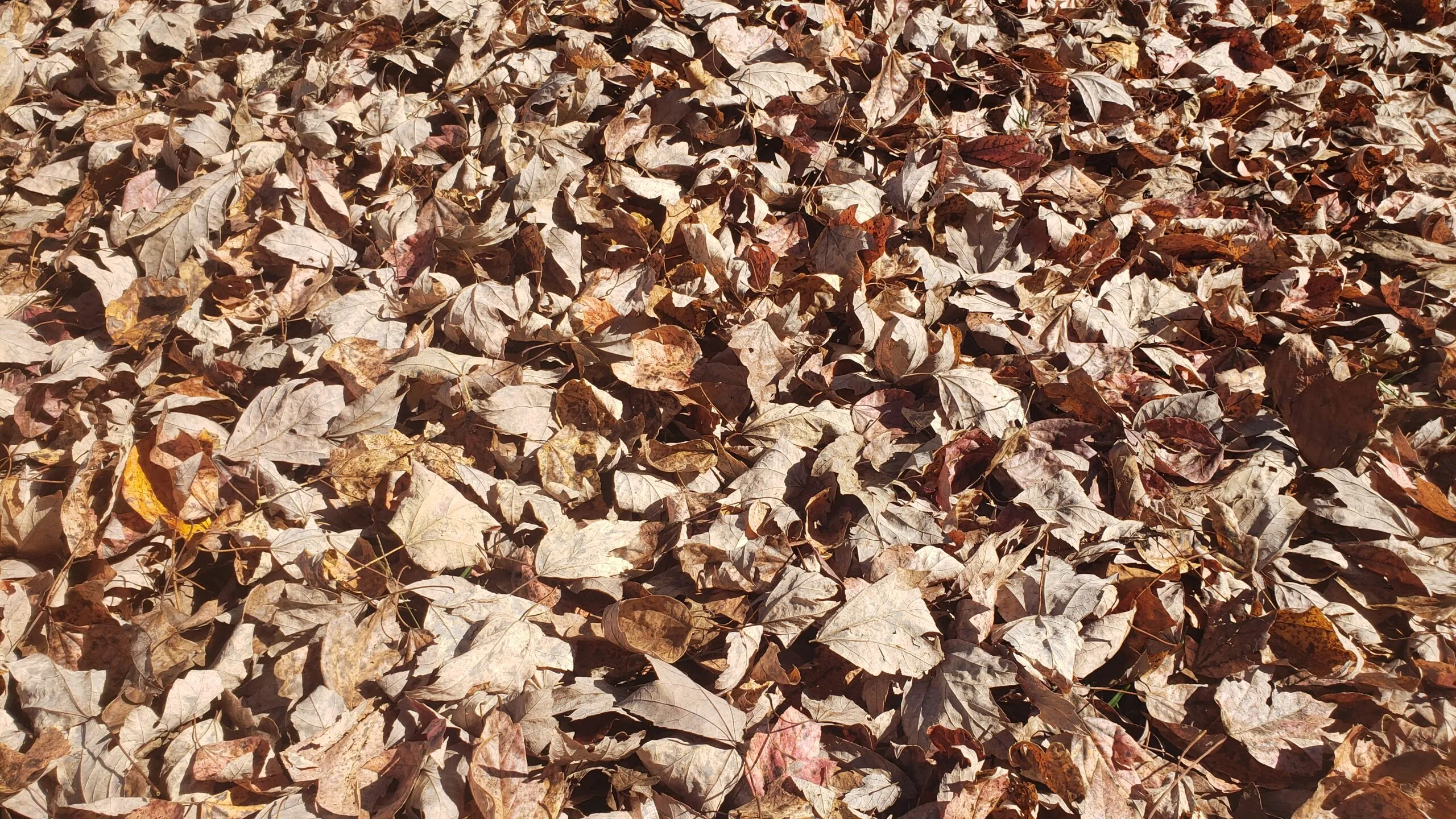
In the heart of autumn, trees transform into a spectacle of colors, eventually shedding their vibrant leaves onto the ground below. While many see this as nature’s way of preparing for winter, gardeners and homesteaders recognize an invaluable resource. At Good Chicken Gardens, we advocate for sustainable practices that align with nature’s cycles. In this guide, we’ll delve into the scientific and practical benefits of using fallen leaves to enrich our gardens and foster a sustainable ecosystem.
The Science Behind Fallen Leaves

Every leaf that falls carries with it a wealth of nutrients and organic matter. These leaves, when integrated into the soil, can play a pivotal role in enhancing soil health and fertility.
Nutrient Recycling: A study on the effects of organic amendments on soil quality in tea-growing regions highlighted the importance of nutrient recycling. Organic amendments, including decomposed leaves, release essential nutrients like nitrogen, potassium, and phosphorus back into the soil. This not only replenishes the soil but also ensures that plants have access to vital nutrients for growth 1.
Impact on Crop Quality: The quality of crops, such as tobacco, is intricately linked to soil organic matter (SOM). A study examining the molecular composition of SOM found a direct correlation between the quality of tobacco leaves and the molecular composition of the soil’s organic matter. This underscores the importance of maintaining rich SOM for better crop yield and quality 2.
Integrated Nutrient Management: Embracing an integrated approach to nutrient management can significantly improve soil health and crop productivity. For instance, a study on maize productivity emphasized the benefits of combining organic and chemical fertilizers. Such integrated practices, which can include the use of fallen leaves as organic matter, lead to enhanced yield and improved soil nutrient status 3.
The Magic of Leaf Mold
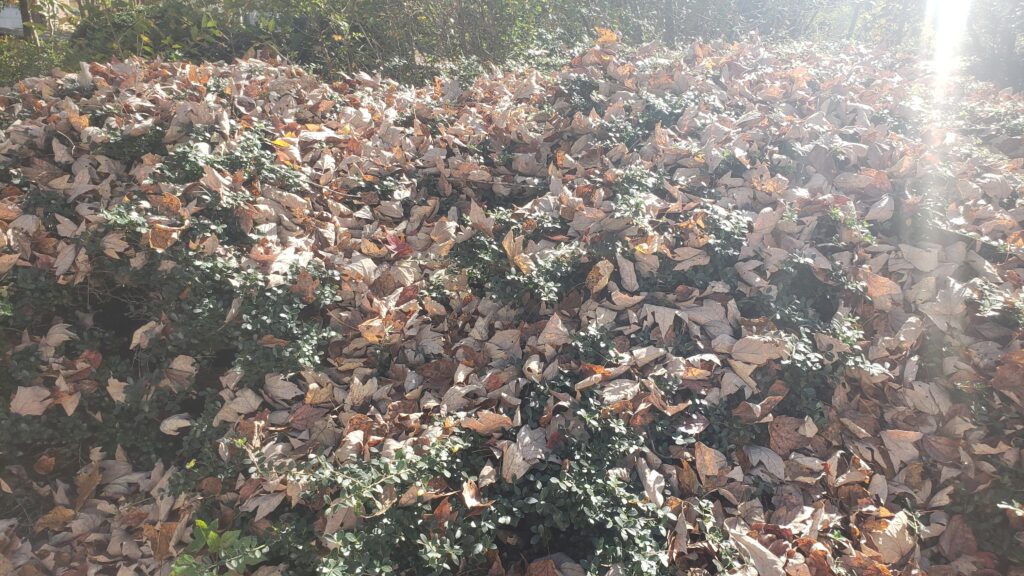
Enhanced Crop Quality with Organic Fertilization: Organic matter, such as leaf mold, plays a pivotal role in determining the quality of crops. A study on Aloe vera demonstrated that the application of organic manures, including decomposed leaves, significantly influenced the leaf biomass yield and post-harvest soil fertility5.
Green Manures for Soil Fertility: Green manures, including decomposed leaves, have been used in traditional agriculture for millennia. They play a crucial role in improving soil fertility and ensuring a balanced nutrient supply. A review on green manures emphasized their importance in organic farming systems and highlighted their potential in reducing the environmental impact of farming7.
Practical Steps to Incorporate Fallen Leaves

Conclusion
Fallen leaves are nature’s gift to gardeners. By understanding the science behind their benefits and incorporating them wisely, we can ensure a thriving garden that is both productive and sustainable.
- Consequences of nitrogen mineralization dynamics for soil health restoration of degraded tea-growing soil using organic amendments
- Molecular composition of soil organic matter (SOM) regulate qualities of tobacco leaves
- Evaluation of integrated nutrient management on soil health, maize productivity and grain quality
- Consequences of nitrogen mineralization dynamics for soil health restoration of degraded tea-growing soil using organic amendments
- Evaluation of integrated nutrient management on soil health, maize productivity and grain quality
- Green Manurs and Grean leaf manures for soil fertility improvement: A review.