What is Overwintering?
Overwintering is the process of preserving your pepper plants through the winter months, allowing them to enter a dormant state and revive in the spring. This technique not only saves time but also enhances the plant’s productivity in its second year.
The Overwintering Process:
- Preparation: Before the first frost, bring your pepper plants indoors. Prune them back to about one-third of their size, removing any dead or diseased leaves.
- Potting: If your peppers are in the ground, carefully dig them up and transplant them into pots. Use a well-draining potting mix to prevent root rot.
- Indoor Care: Place the potted peppers in a cool, well-lit area, such as a sunny windowsill or under grow lights. Water them sparingly, just enough to keep the soil slightly moist.
- Dormancy: During the winter months, the plants will enter a semi-dormant state. They may lose some leaves, which is normal.
Benefits of Overwintering Peppers:
Comparison:
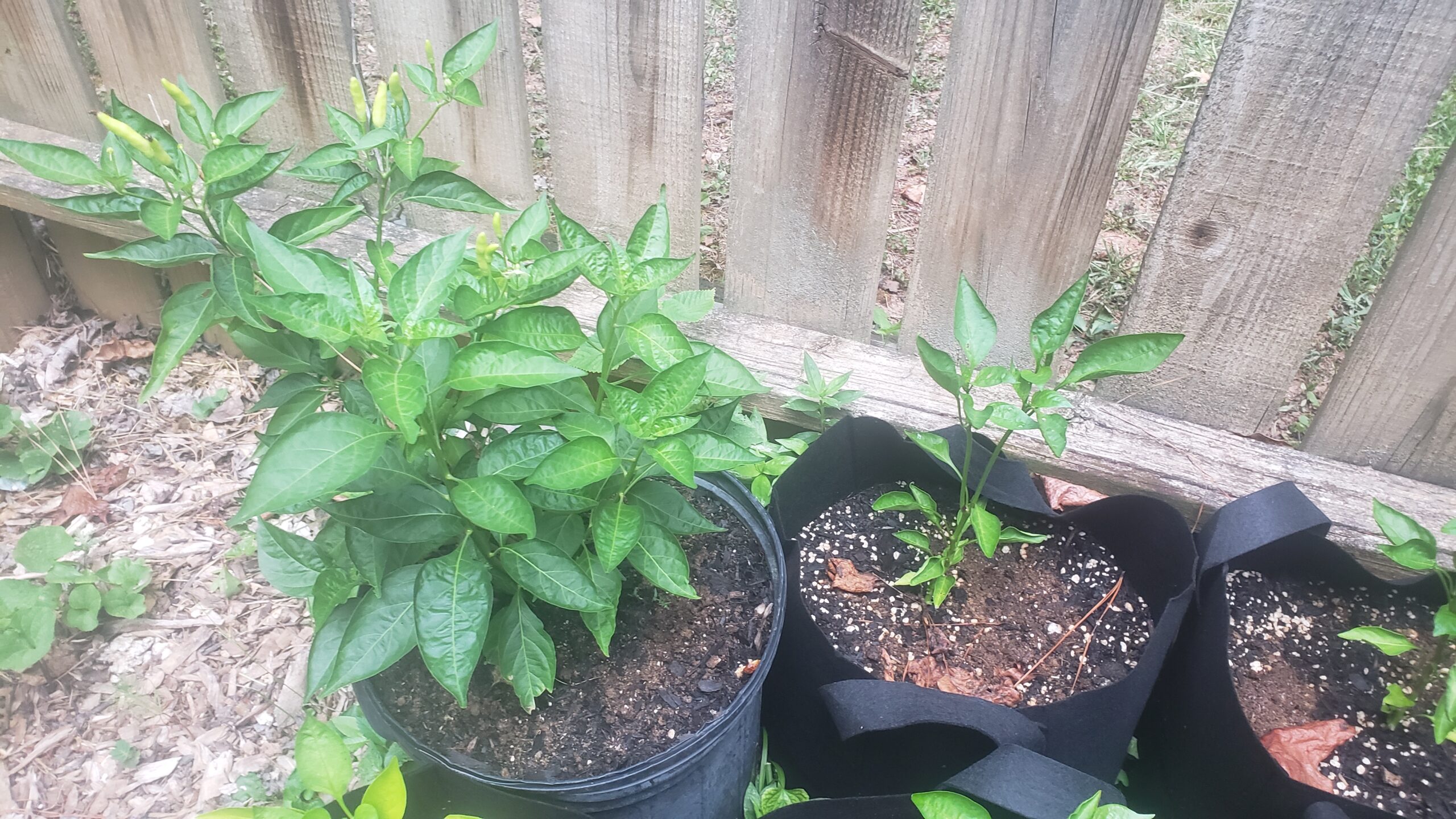
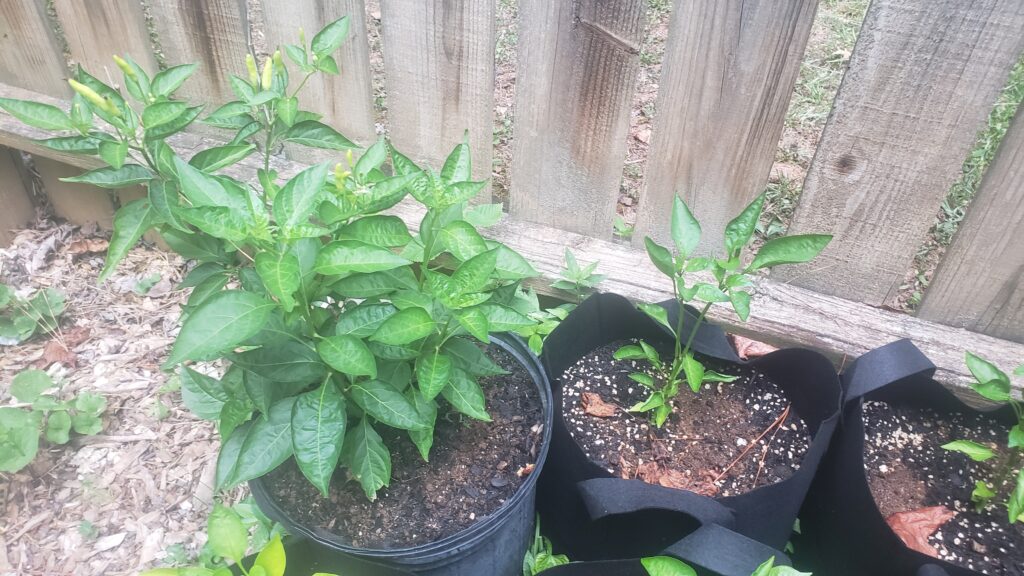
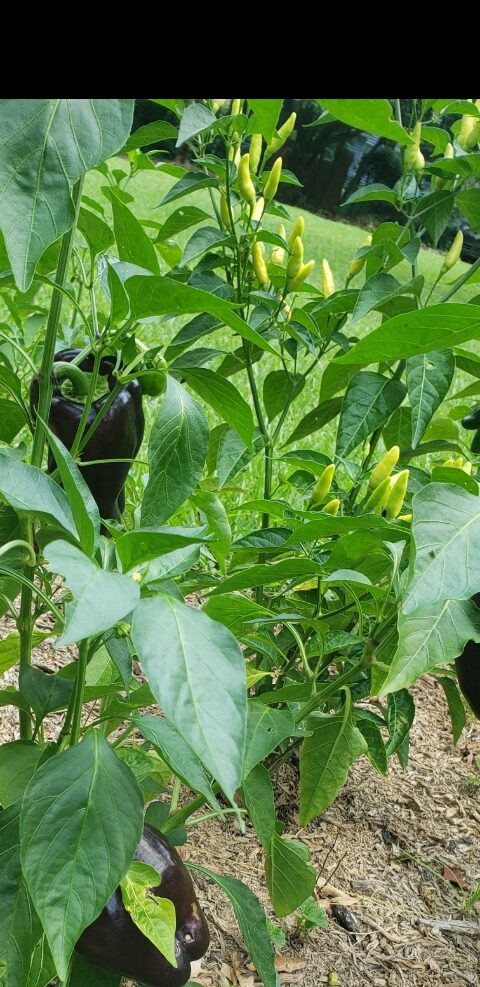
- Fruit Production: As shown in the comparison image, overwintered peppers bear more fruit and larger peppers compared to their first-year counterparts. This is due to the plant’s maturity and readiness to produce as soon as conditions are favorable.
Overwintering peppers is a game-changer for gardeners seeking higher yields and more productive plants. The process is straightforward and well worth the effort, as the benefits far outweigh the initial investment of time and care. If you’re looking to maximize your pepper production, overwintering is the way to go.
Happy gardening!